Health service 01
Orthopaedic Assessment
A full musculoskeletal, neurological and postural assessment — the diagnostic foundation for everything that follows.
- Pathway
- 01 / 04
- Location
- London · Bern
- Focus areas
- 5
- Reviews
- Scheduled

Overview
A comprehensive orthopaedic assessment is the pursuit of a single question: what is actually driving this presentation? A multitude of tests builds the intrinsic and extrinsic picture of the client, covering every system that can influence movement, load tolerance and pain.
Joint range of motion, static and dynamic posture, neurological integrity, gait and functional movement are examined together rather than in isolation. The findings are correlated to locate the aetiology — the thing that may be hindering progress — instead of treating the site where the symptom happens to appear.
Every assessment closes with a written summary and a clear recommendation: a bespoke programme, a rehabilitation pathway, further laboratory investigation, or referral to a surgical or medical colleague where that is the right next step.
Focus areas.
Each area is tested or treated in the context of the whole picture — never as an isolated finding.
Musculoskeletal joint range of motion
Active, passive and resisted testing across every major joint to establish true available range and end-feel.
Static & dynamic postural tests
How the body organises itself at rest, under load and in motion — and where compensation has become the default.
Neurological tests
Dermatomes, myotomes, reflexes and neurodynamic provocation to distinguish local tissue from neural drivers.
Gait analysis
Walking and running mechanics observed at the pelvis, knee, ankle and foot, with load transfer mapped through the chain.
Functional movement patterns
Squat, hinge, lunge, push, pull, rotate and carry — the vocabulary of daily and athletic movement, screened for dysfunction.
What happens,
step by step.
History
A structured conversation about onset, behaviour, previous treatment, training load, work posture and sleep.
Assessment battery
The full orthopaedic, postural, neurological, gait and functional screen, sequenced to the individual.
Correlation
Findings are read together to identify primary drivers, compensations and the systems that need support.
Written pathway
A clear summary with priorities — programme design, rehabilitation, laboratory testing or referral.
Presented with
these problems?
If any of this sounds familiar, the assessment is the right first step — whether or not this specific service ends up being the answer.
- Persistent pain that has not resolved with rest or generic treatment
- Athletes and performers who need a precise mechanical baseline
- Pre-operative preparation and post-operative return to load
- Anyone who wants to understand how their body is actually moving


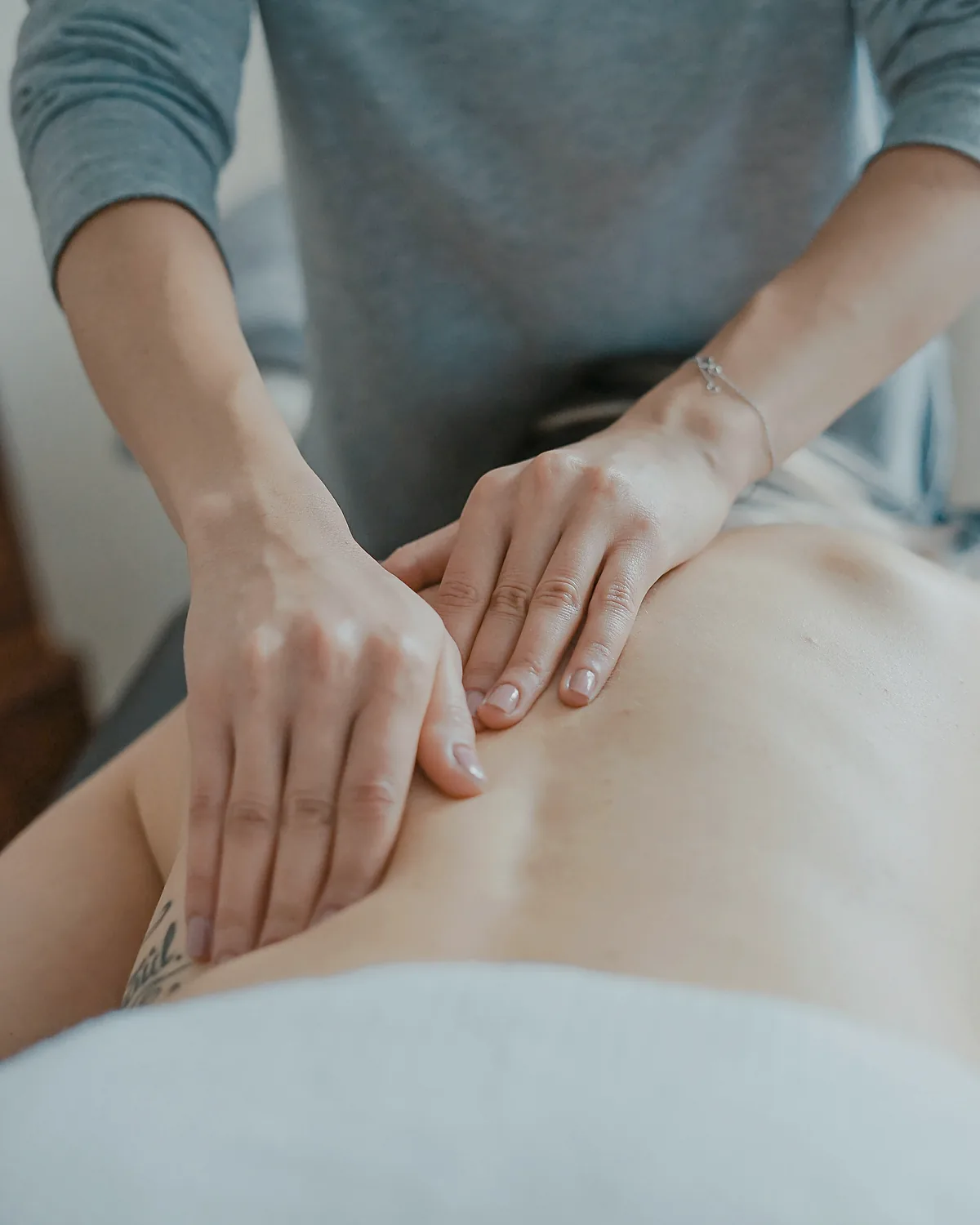

Orthopaedic assessment
Begin with the assessment, then decide.
An orthopaedic assessment establishes whether this is the right pathway — and what the alternatives are.