Health service 04
Rehabilitation & Movement Therapy
Intelligent movement and loading parameters for recovery from injury, surgery and persistent pain.
- Pathway
- 04 / 04
- Location
- London · Bern
- Focus areas
- 5
- Reviews
- Scheduled
Overview
Injury and pain are very common today. Postural malalignment — chronic or acute — injury, post-operative recovery, weakness or insidious pain can result from one or many systems within the body. Finding the aetiology is vital to overcoming aches, pains and trauma to organs, soft tissue and the skeletal system.
Recovering from an injury or an operation requires intelligent movement and loading parameters. Too little load and tissue does not adapt; too much and the system flares. Looking at the body as a whole is important to restoring functionality and precise movement.
Rehabilitation at 360 Health combines hands-on soft tissue work, corrective exercise, kinesiology taping and education around movement and sleep — the inputs that determine whether the tissue you are loading actually recovers.
Focus areas.
Each area is tested or treated in the context of the whole picture — never as an isolated finding.
Corrective stretching & mobility
Targeted work to restore range where restriction — not tightness — is the actual finding.
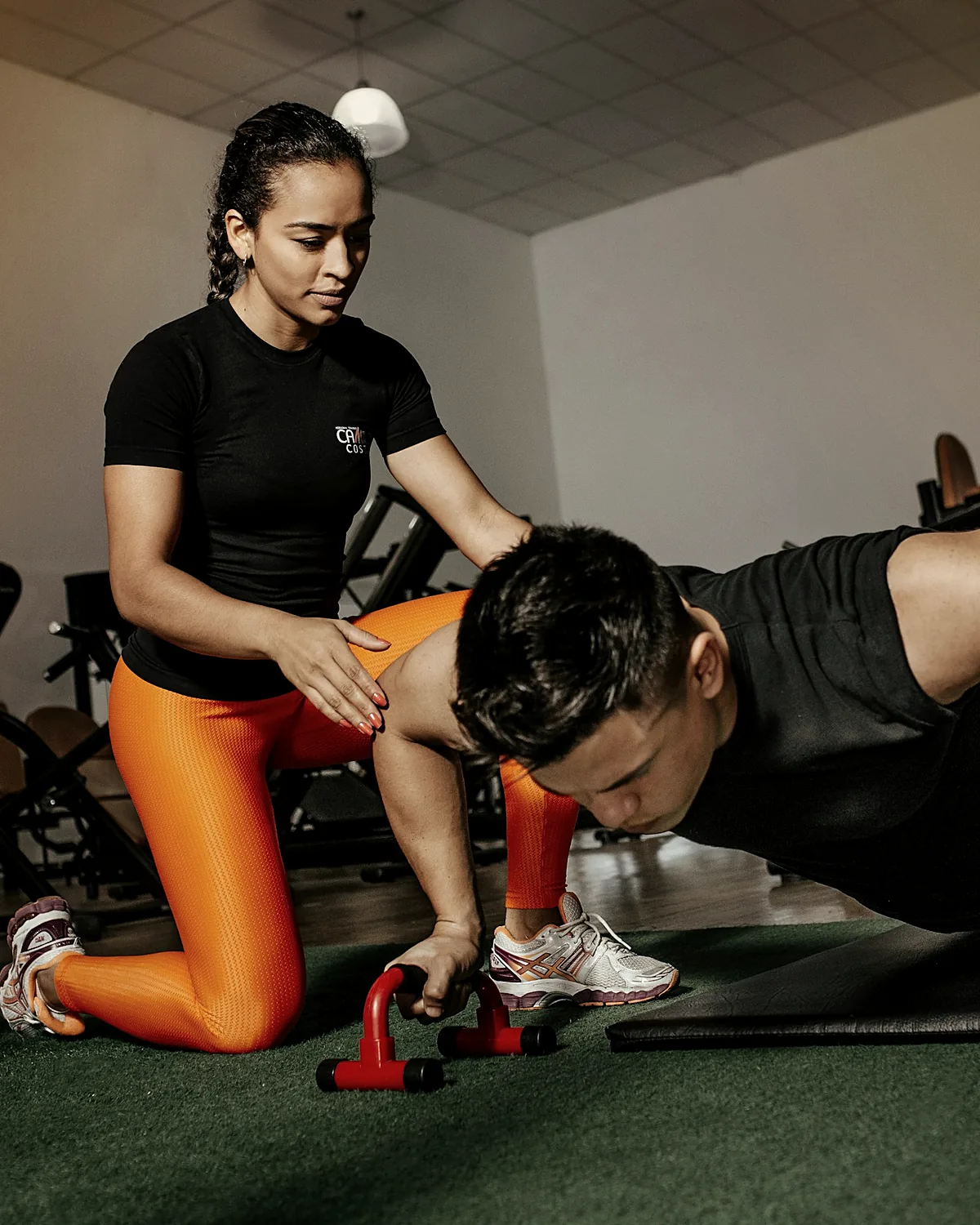
Corrective exercises
Progressive loading of the specific patterns that failed on assessment, dosed to tissue tolerance.
Kinesiology taping
Support, proprioceptive feedback and oedema management during the early and middle phases.
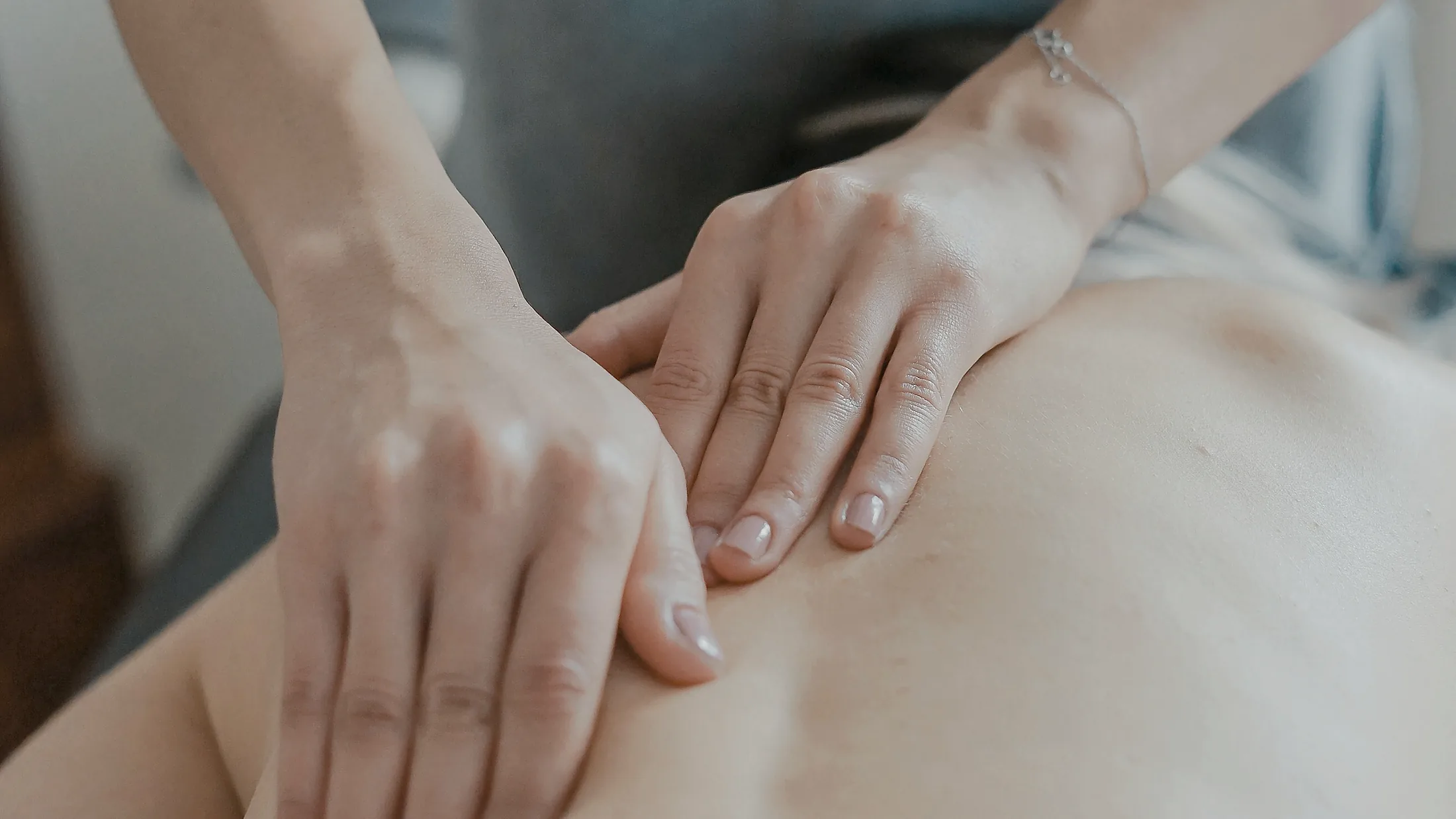
Soft tissue release
Hands-on work through fascia, muscle and trigger points to restore tissue glide and reduce guarding.
Movement & sleep education
The daily mechanics and recovery behaviours that decide whether treatment holds between sessions.
What happens,
step by step.
Establish the driver
An assessment-led view of which tissue, joint or system is limiting recovery — and why now.
Settle & restore
Hands-on work, taping and low-level movement to reduce pain and re-establish baseline motion.
Load progressively
Structured strengthening and movement retraining, progressed against objective milestones.
Return to capacity
Sport, work and daily demands reintroduced deliberately, with a plan for the months after.
Presented with
these problems?
If any of this sounds familiar, the assessment is the right first step — whether or not this specific service ends up being the answer.
- Post-operative recovery with a surgeon's protocol to work within
- Acute and chronic injuries that have plateaued
- Persistent pain that has not responded to a single-disciplinary approach
- Athletes and performers returning to full capacity


Rehabilitation
Begin with the assessment, then decide.
An orthopaedic assessment establishes whether this is the right pathway — and what the alternatives are.